
Best Shopify Agencies for Beauty and Skincare Brands
Discover the top Shopify agencies specializing in beauty and skincare. Learn how expert ecommerce design and custom Shopify builds can boost your conversion rates and scale your DTC brand.

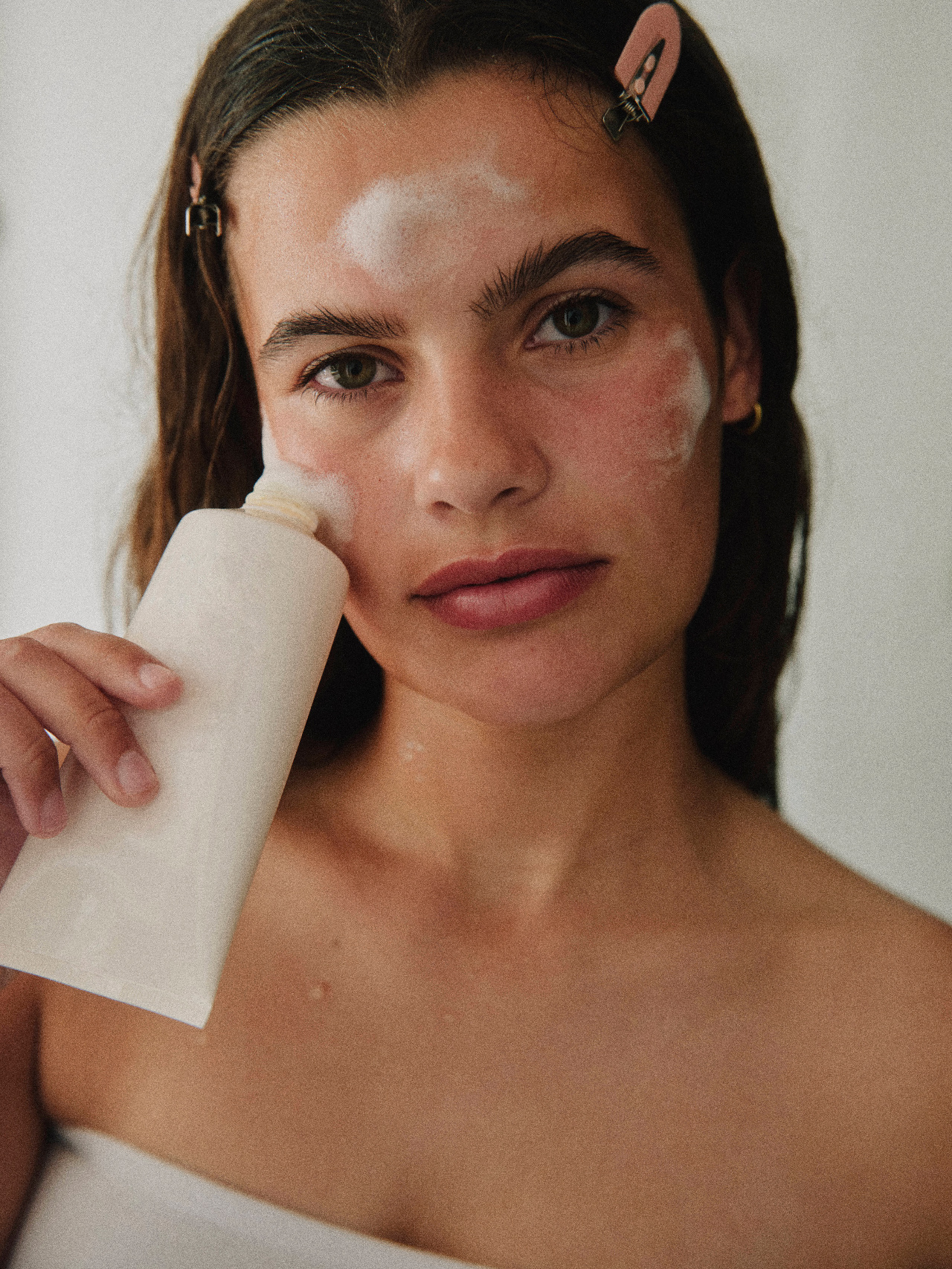
You check your Shopify dashboard. Traffic is up, but your skincare line is sitting at an 81% cart abandonment rate. Mobile visitors are bouncing before they reach checkout. Off-the-shelf templates cannot handle complex shade-matching quizzes or custom subscription logic. Finding the right design agency means looking past pretty portfolios to find teams that actually move the needle on revenue.
The global cosmetics sector is pushing toward $802 billion by 2035. To capture that growth, your storefront needs to function as a high-conversion engine. The median conversion rate for beauty and cosmetics in 2026 sits at 2.4%, while top-quartile performers exceed 4.94%. Hitting those top-tier numbers requires a specific approach to ecommerce design.
What Makes a Shopify Web Design Company Right for Beauty?
Beauty consumers shop differently than apparel or electronics buyers. They need verifiable proof of results, exact shade matches, and frictionless replenishment. Mobile traffic now accounts for 82.5% of all beauty eCommerce sessions. If your mobile experience requires pinching, zooming, or hunting for ingredient lists, you lose the sale.
Top-performing beauty brands aim for a 25% or higher subscription share of new orders to maximize Lifetime Value. Building this requires a shopify web design company that understands how to map subscription flows to actual product use windows.
Top Shopify Agencies for Beauty and Skincare Brands
1. Otherhalf: Best for Conversion-Focused Design & Custom Liquid
Otherhalf is a design-led studio building bespoke-on-Shopify experiences for DTC brands. We focus entirely on custom Liquid builds on Shopify's newest Horizon architecture. This approach gives clients full content-editing control post-launch, contrasting bespoke-on-Shopify against off-the-shelf templates.
The team that pitches your strategy is the exact team that ships it and maintains it a year later. Revisions never get lost in a ticketing system. The person who designed it is the person who built it and supports it.
This focus on sophisticated clarity drives measurable revenue growth. Recent outcomes include a 4.5x conversion rate increase for Halfday and an 84% conversion lift for Junkless. For wellness brands like Liquid+, streamlining navigation and page flows resulted in a 14% increase in Average Order Value within 30 days of launch.
2. Netalico: Best for Tech Stack Cleanup
Netalico operates as a Premier Shopify Partner focused on fixing underperforming sites for brands in the $2M–$50M range. They specialize in site speed improvements and deep Klaviyo connections for customer retention.
Their recent work includes leading the Shopify 2.0 migration for Petite 'n Pretty. The team built custom navigation and drawer carts specifically designed to handle high-volume holiday traffic without slowing down the mobile experience.
3. Craftberry: Best for Global Shopify Plus Scaling
Craftberry targets high-stakes Shopify Plus migrations and global expansion for DTC beauty brands. They treat the platform as a high-performance engine, prioritizing SEO-optimized product descriptions and internationalization.
Brands looking to launch in multiple countries rely on Craftberry to manage the complexities of multi-currency checkouts and localized storefronts.
4. eSEOspace: Best for AI Search Visibility
Search behavior shifted heavily in 2026. eSEOspace carved out a specific niche in Generative Engine Optimization (GEO), ensuring beauty brands appear when consumers ask AI assistants for product recommendations.
They utilize a proprietary AI Search Visibility Score to help cosmetics brands rank in AI-powered search results, focusing on structured data and natural language product descriptions.
How to Evaluate a Shopify Design Studio
Reviewing a portfolio of beautiful websites tells you nothing about how those sites perform. Use a disciplined audit to vet potential partners.
The Lead Builder Test: Ask for the names of the actual lead designer and strategist who will work on your account. If the agency substitutes an account director for the people doing the work, walk away. Industry experts call this "senior pitch theater and junior delivery".
Revenue Band Alignment: Ensure the studio has case studies in your specific revenue band. A team that only works with $500k brands cannot reliably scope the technical requirements for a $15M brand.
The Litmus Test: Look at your mobile AOV compared to desktop. If your mobile AOV is less than 70% of desktop, the fix is often operational rather than creative. Top studios run these diagnostics before proposing a build.
The 2026 Beauty eCommerce Playbook
Generic templates fail beauty brands because they lack vertical-specific features. Your shopify design must incorporate these specific elements to compete.
Shade Matching & Quizzes Standard variant pickers confuse buyers. Implementing tools that tune refill cadences to product use windows can drive an 18–42% conversion lift.
Ingredient Transparency Consumers demand claim scaffolding. You must provide verifiable proof of results and ingredient safety directly on the Product Detail Page. Burying this information in an accordion menu hurts trust.
Subscription Logic Replenishment flows must match the actual SKU use window. A 50ml serum lasting 45 days should trigger a reminder at day 35. Forcing customers into rigid 30-day subscription cycles leads to immediate cancellations.
Visual Storytelling High-resolution zoom, skin-type filters, and video demos mimic the in-store consultation experience. These features directly impact buying confidence, according to recent industry analysis.
Choosing the right ecommerce design partner dictates your revenue ceiling. Focus on studios that prioritize custom Liquid on Horizon, demand concrete conversion metrics, and understand the specific buying behaviors of the 2026 beauty consumer.